

Every few months a shiny new camera launches and the internet declares it "the one." But here's a secret that working pros know in their bones: the camera matters far less than you'd think. The best camera for commercial work isn't the newest or the priciest — it's the one that fits the job, the budget, and the workflow around it.
Instead of chasing model names that'll be old news by next year, let's talk about what actually makes a camera right for commercial production — the stuff that stays true no matter what's on the shelf.
The Camera Is the Paintbrush, Not the Painter
Hand a cheap brush to a master painter and a top-of-the-line brush to a beginner — guess whose painting looks better? The camera is just the tool. Lighting, composition, story, and an experienced operator do the heavy lifting. A well-lit scene on a modest camera will beat a badly-lit scene on a $50,000 cinema rig every single time. Keep that in mind before you blame (or credit) the gear.
Buy the System, Not Just the Body
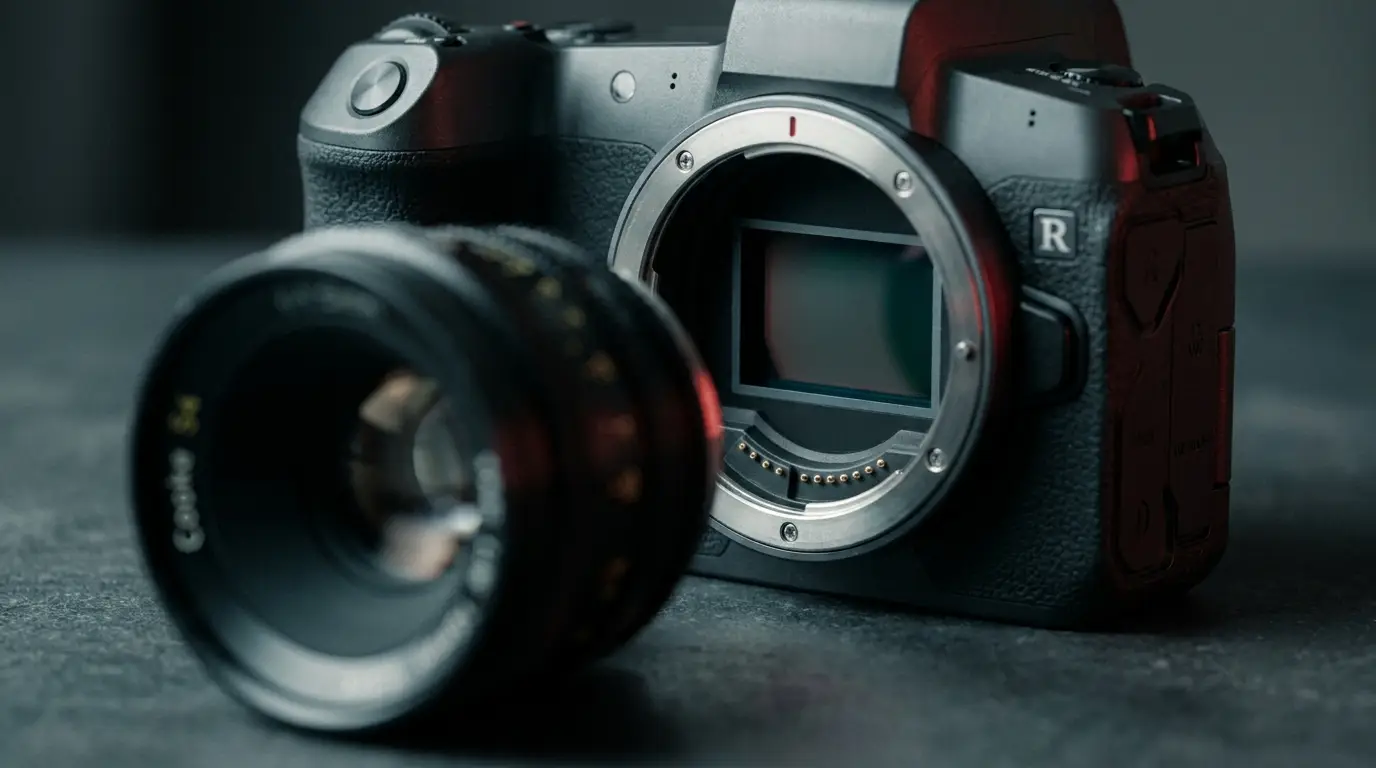
When you choose a camera, you're not buying a gadget — you're adopting an ecosystem. The lenses, batteries, accessories, and color science all come with it. Switching brands later means re-buying a lot. So look at the whole family: are there affordable lenses you'll actually use? Is the color science pleasing straight out of camera? A great body with a thin lens lineup is a short-term win and a long-term headache.
The Five Specs That Actually Matter
Ignore the marketing megapixel race and focus on these:
1. Sensor Size — the Light Bucket
Think of the sensor as a bucket catching light. A bigger bucket (full-frame or Super 35) gathers more light, handles dim rooms better, and gives that lovely shallow, cinematic background blur. For commercial work, full-frame or Super 35 is the sweet spot.
2. Dynamic Range — Detail in Shadows & Highlights
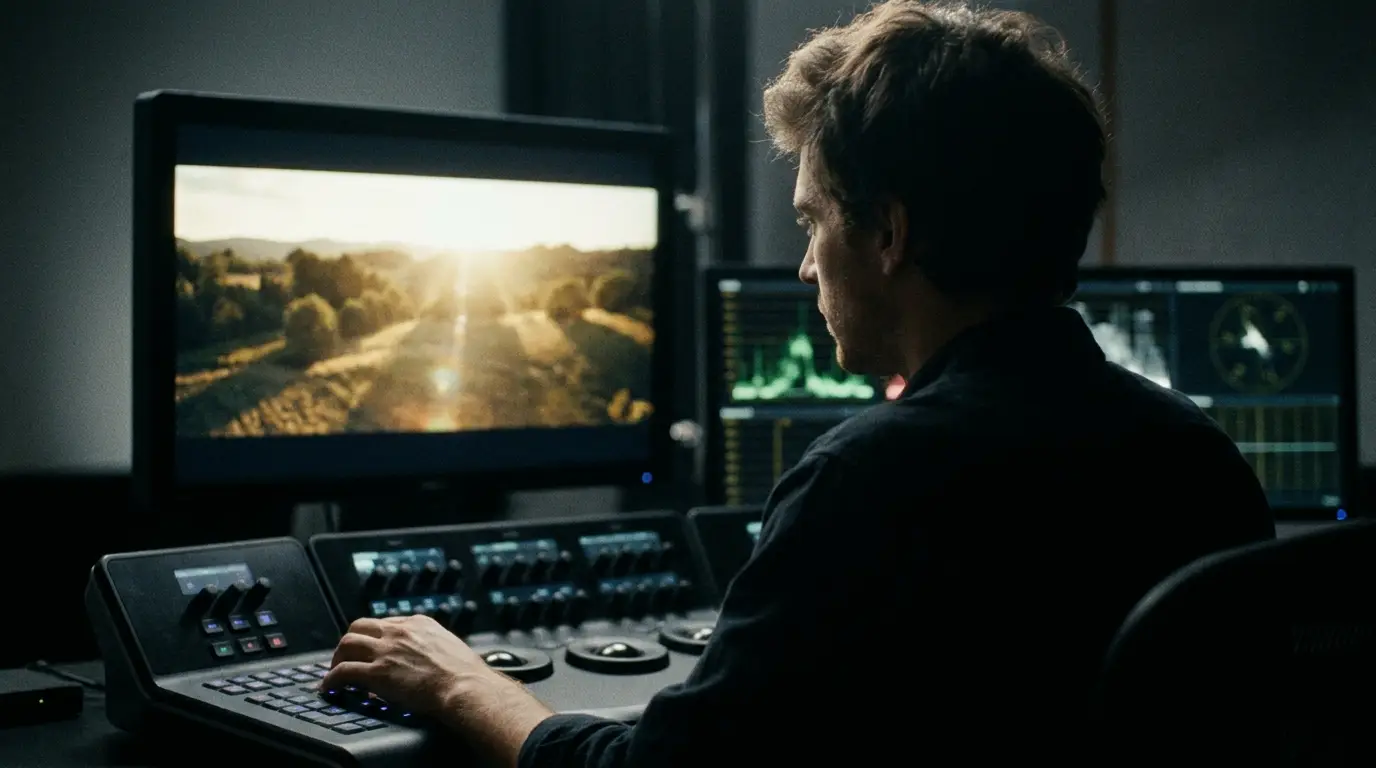
Dynamic range is how much detail the camera keeps in the brightest brights and darkest darks at the same time. More range (modern bodies hit 13+ stops) means a window won't blow out to pure white and a shadow won't crush to black mush. It's the difference between footage that bends to your will in the edit and footage that fights you.
3. Codec & Color (10-bit) — How Much You Keep
A camera's codec is how much picture information it records. Shooting in a "log" profile with 10-bit 4:2:2 color is like keeping the film negative instead of a finished print — it gives your editor enormous freedom to grade color and fix problems. 8-bit is fine for quick content; 10-bit log is the baseline for polished commercial work.
4. Autofocus — Quiet Confidence
Reliable, smooth autofocus has gone from "nice to have" to "secret weapon," especially for small crews and run-and-gun shoots. When it just works, you stop babysitting focus and start directing.
5. Frame Rates — Room for Slow Motion
The ability to shoot 4K at 60fps (or higher) gives you buttery slow motion and editing flexibility. Commercials love a tasteful slow-mo hero shot.
Cinema Camera or Mirrorless? Yes.
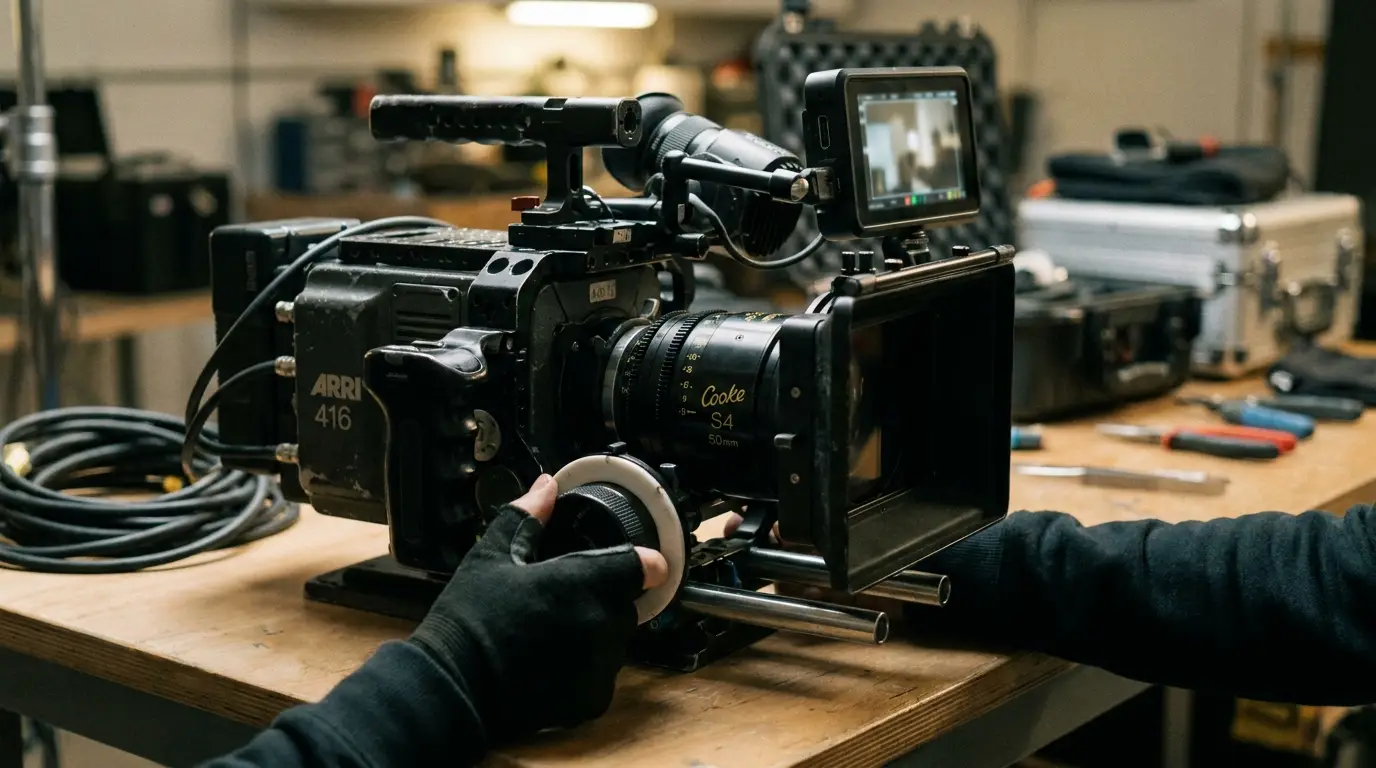
Two roads lead to great commercial footage. Hybrid mirrorless cameras are compact, versatile, and brilliant for content, interviews, and small crews — they do photo and video, and they travel light. Dedicated cinema cameras are purpose-built for video: better cooling for long takes, pro inputs, and built-in tools, but they need more rigging and crew. For most growing businesses, a strong hybrid is the smart, flexible choice; cinema bodies earn their keep on bigger, controlled productions.
Don't Overlook Reliability
The flashiest spec sheet means nothing if the camera overheats and shuts down mid-interview. For commercial work, boring reliability is a feature: solid battery life, no overheating on long takes, dual card slots for backup, and a workflow your editor can actually handle. A camera you can trust for eight hours beats a camera that impresses for eight minutes.
Choosing a Commercial Camera: What to Look For
- Full-frame or Super 35 sensor for low light and depth
- 13+ stops of dynamic range
- 10-bit 4:2:2 recording with a log profile
- Reliable autofocus
- 4K at 60fps (or higher) for slow motion
- A strong, affordable lens ecosystem
- Reliability: cooling, battery life, dual card slots
"Clients never ask what camera you used. They ask why the video made them feel something. Buy for the result, not the spec sheet."
The Bottom Line
The "best" commercial camera is the one that disappears into the work — reliable, flexible, and matched to the story you're telling. Nail the fundamentals on this list and almost any modern pro camera will deliver. Spend the rest of your budget on lighting, sound, and talent, because that's where the magic actually lives.
Not sure what your project needs? We bring the right tools for the job, every time. Tell us what you're making and we'll handle the rest.

James is a creative professional and marketing leader with 20+ years across film, animation, broadcast production, and brand marketing. He founded MediaMarvels to help businesses tell their stories with a filmmaker's eye and a marketer's mindset.